Group of diverse employees in a modern office environment.

What is Employee Engagement? Definition, Benefits, and Surveys in Cyprus

Employee engagement is significant for thriving businesses in Cyprus and everywhere. It means creating a work environment where employees feel appreciated, motivated, and genuinely invested in their jobs and the company’s success. When employees are engaged, they put in extra effort.

This leads to positive business outcomes such as more productivity, better customer satisfaction, and higher employee retention. An engagement survey is a great way to measure employee engagement trends. This survey helps organisations understand how employees feel. It shows what they do well and what needs to improve. By listening to employee feedback and making changes, businesses in Cyprus can create a happier and more effective work environment.

What is the meaning of employee engagement?

Employee engagement is a crucial aspect of organisational success. It represents the emotional connection employees have with their workplace and its objectives. It transcends mere job satisfaction, reflecting a genuine concern for work quality and a better understanding of the desire to contribute to the company’s prosperity.

Highly engaged employees exhibit proactive behaviours, going above and beyond their job descriptions. They demonstrate a passion for their roles and willingly take ownership of their responsibilities. This level of commitment significantly influences company culture and plays a pivotal role in driving overall success.

As noted in the Harvard Business Review, organisations prioritising employee engagement often reap the benefits of increased productivity, improved retention rates, and enhanced morale among staff members. Engaged employees are more likely to collaborate effectively, innovate, and advocate for the organisation internally and externally. Consequently, fostering a culture of engagement should be a top priority for businesses seeking sustainable growth and competitive advantage in today’s dynamic market landscape.

How does employee engagement work in the workplace?

Employee engagement is a fundamental aspect of fostering a positive company culture. A workplace that is characterised by strong values, transparent communication, and opportunities for personal and professional development tends to experience higher levels of employee engagement.

When employees feel appreciated, respected, and listened to, they are more inclined to remain engaged with their work. A corporate environment that prioritises employee welfare recognises accomplishments and provides avenues for career advancement can significantly impact staff members’ engagement levels.

Ultimately, a robust workplace culture is one in which employees feel a sense of belonging and purpose. This sense of belonging can be a powerful motivator, inspiring employees to strive for excellence in their roles and contribute effectively to the organisation’s success.

What is the purpose of employee engagement?

Employee engagement is crucial beyond job satisfaction; it ensures a company’s success. Various employee engagement statistics support the idea that engaged employees are happier, more productive, innovative, and dedicated to achieving shared objectives.

One significant benefit of fostering employee engagement is its positive impact on retention rates. Employees who feel valued and connected to their roles are less likely to seek opportunities elsewhere. This translates into enhanced employee loyalty, contributing to the stability and expertise of the workforce in the long run.

Engaged employees derive greater job satisfaction from their roles, leading to increased creativity and a willingness to exceed expectations, positively impacting the company’s employer brand. The enthusiasm and passion engaged employees bring to their work environment can create a more dynamic and collaborative atmosphere, ultimately driving business success.

How can employee engagement be improved in Cyprus?

Improving employee engagement in Cyprus requires a thoughtful and customised approach. Collaboration between human resources teams and leaders is essential to developing effective engagement strategies tailored to Cyprus’s employees’ unique needs and objectives.

Regular feedback mechanisms should be established to monitor progress and address any issues promptly. Recognising and rewarding achievements is crucial in fostering a positive work environment and motivating employees to excel. Open communication channels help build trust and transparency within the organisation, encouraging active participation from all team members.

Implementing performance management systems emphasising growth and development can empower employees to reach their full potential, enhancing their overall engagement. By investing in initiatives prioritising employee well-being and professional advancement, organisations in Cyprus can cultivate a culture of high performance and job satisfaction among their workforce.

Is there an employee engagement app that helps workplaces in Cyprus?

In today’s digital world, an employee engagement platform, along with employee engagement software and apps, are great tools for businesses in Cyprus that want to boost employee engagement. These platforms act as a central point for communication, feedback, and recognition, making engagement efforts smoother.

Employee engagement apps can help:

  • Gather Real-Time Feedback: Pulse surveys and quick feedback tools let companies frequently check employee feelings, including using employee engagement survey questions.
  • Recognise and Reward Achievements: Digital platforms help to publicly or privately appreciate employees’ efforts efficiently.
  • Facilitate Communication and Collaboration: Special channels in the app can build better team connections.

Using these apps can change the work environment in Cyprus. They help organisations listen, connect, and engage their employees.

How is an employee engagement model defined?

An employee engagement model is a helpful way to understand and improve what makes employees engaged in a company. Based on the company’s situation, this model points out the main things that contribute to the company’s engagement. 

These can include opportunities for growth, recognition, and strong leadership. When companies spot these key drivers of engagement, they can customise their engagement efforts. This helps them meet the specific needs and desires of their workers. A transparent engagement model acts like a guide for building a better work environment, which can lead to better business outcomes.

Who is responsible for driving employee engagement?

Human resources and HR professionals are essential for creating and implementing engagement strategies. However, keeping employees engaged belongs to the whole organisation and requires teamwork from leaders, managers, and individual workers.

Leaders create a positive environment that appreciates what employees do and cares for their well-being. Managers help turn those values into tangible actions by giving support, feedback, and chances to grow. In the end, everyone helps shape how engaged people feel at work.

What are the types of employee engagement in the workplace?

Workforce engagement is a multifaceted concept that manifests in various forms within organisations. By recognising and understanding these different types of engagement, businesses can develop more effective strategies to foster a positive and productive work environment. 

Here are some key types of engagement:

  • Cognitive Engagement: This type involves employees who actively think about their roles and responsibilities. They find their work intellectually stimulating and enjoy the challenges it presents. These individuals are likely to be highly motivated and invested in their tasks, often seeking opportunities for growth and development.
  • Emotional Engagement: Emotional engagement centres around employees’ personal connection towards their work, colleagues, and the organisation. Emotionally engaged employees are passionate about their jobs, exhibit a strong sense of loyalty, and genuinely care about contributing to the company’s success. Building strong relationships and fostering a sense of belonging can enhance employee emotional engagement.
  • Behavioural Engagement: Behavioural engagement pertains to employees’ actions and behaviours in the workplace. Engaged employees use discretionary effort and go above and beyond their basic job requirements, demonstrating initiative, enthusiasm, and dedication to achieving organisational goals. They take ownership of their work, show commitment to excellence, and actively seek ways to add value to their roles.

Recognising and nurturing these different levels of employee engagement is essential for creating a workplace culture that supports staff members’ diverse needs and motivations. By tailoring initiatives that cater to cognitive, emotional, and behavioural aspects of engagement, organisations can cultivate a more inclusive, supportive, and fulfilling work environment for all employees.

What are the elements of employee engagement in the workplace?

Some key factors engage people at work and help create a positive experience for everyone. These factors include chances for growth, meaningful and challenging work, a sense of belonging, and recognition for what people do. One crucial factor is employee recognition. 

When workers feel valued and appreciated, it boosts their self-worth. This makes them want to perform even better. Also, effective communication that starts with the right questions is essential. Open and honest communication builds trust. It helps workers feel informed and included when decisions are being made.

How do you keep employees engaged in the workplace?

Maintaining high employee engagement takes time and effort. It’s not just about doing one engagement project and expecting it to last. Companies must create a culture where listening to employees is a big part of operating.

Ask for employee feedback regularly through surveys, meetings, and suggestion boxes. Make sure to act on their feedback. This shows that you value what employees have to say. Creating a culture of continuous improvement tells employees that their ideas are essential. This helps them feel more engaged and take ownership of their work.

Why is employee engagement important in the workplace?

Employee and work engagement are critical to fostering a thriving and productive workplace environment. They transcend being merely a buzzword, significantly impacting an organisation’s health and success. When employees are emotionally invested in their work and feel a strong sense of connection to the company, they are more inclined to contribute meaningfully to its success.

Enhanced employee engagement correlates with increased productivity, lower turnover rates, and a more positive and vibrant company culture, helping to retain top talent. By prioritising employee engagement efforts, organisations can create a work environment where individuals are motivated, satisfied, and committed to achieving common goals. This not only benefits the employees themselves but also fuels the long-term growth and prosperity of the organisation as a whole.

Investing in initiatives that boost employee engagement, such as providing opportunities for professional development, fostering open communication channels, recognising and rewarding achievements, and promoting work-life balance, can yield significant returns regarding employee satisfaction and organisational performance. An effective employee engagement program ultimately creates a workplace culture that values and prioritises employee engagement, setting the stage for sustained success and continued growth.

What are the benefits of employee engagement?

The benefits of employee engagement extend far beyond a happier workforce. Organisations with highly engaged employees often experience better business outcomes, including increased profitability, improved customer satisfaction, and enhanced innovation.

When employees are invested in their work, they are more likely to go the extra mile, contributing to a more positive and productive work environment. This, in turn, can lead to improved financial performance and stronger competition.

BenefitImpact
Increased ProductivityHigher output and efficiency
Reduced TurnoverLower recruitment and training costs
Improved Customer ServiceMore satisfied and loyal customers
Enhanced InnovationA more creative and solutions-oriented team

What are the disadvantages of employee engagement?

While high employee engagement has many benefits, we must also recognise the problems with low engagement. When employee morale is low, and people feel disconnected from their tasks and the company, it can create several issues.

Low engagement usually means less productivity, lower work quality, and absenteeism. These problems can spread throughout the company, affecting teamwork, customer bonds, and overall happiness.

Moreover, one major problem with low engagement is high employee turnover. Workers often look for other opportunities When they feel unappreciated or unhappy in their jobs. This leads to interruptions in the workflow and increases the costs of hiring new staff.

How can you raise employee engagement in the workplace in Cyprus?

Cultivating a highly engaged workforce in Cyprus requires a comprehensive approach that prioritises creating a positive and supportive work environment tailored to the Cypriot workforce’s specific needs. Central to this approach is establishing effective communication engagement strategies that resonate with employees.

Clear communication is pivotal in fostering engagement, as it helps build a culture where employees feel listened to and appreciated. The key drivers of engagement include regular feedback mechanisms and recognition for their contributions, which are essential in nurturing employees’ sense of belonging and motivation.

Furthermore, offering opportunities for professional development is critical in ensuring employee satisfaction and retention. By investing in skill enhancement programs and career growth pathways, organisations can empower their workforce to upskill, enhance their competencies, and advance within the company. This benefits individual employees and contributes to the organisation’s overall success and sustainability in Cyprus’s competitive business landscape.

What methods are used for measuring employee engagement?

Companies can use various methods to measure employee engagement effectively, in addition to traditional methods like surveys. One-on-one meetings with employees provide a personalised touch, allowing for more in-depth discussions about their experiences and concerns. 

Focus groups can be beneficial as they encourage collaboration and feedback among a small group of employees, offering valuable insights into the organisation’s overall sentiment. Analysing human resources data such as employee turnover rates and absenteeism can also serve as key indicators of employee engagement. 

High turnover or increased absenteeism may suggest underlying issues that must be addressed promptly. Moreover, tracking productivity and job satisfaction metrics can further enhance understanding and highlight areas for improvement.

Regular check-ins and feedback mechanisms foster open communication and transparency, creating a conducive environment for employees to voice their opinions and contribute to organisational growth. By consistently monitoring employee engagement through various channels, companies can identify strengths to celebrate and weaknesses to address, ultimately fostering a more positive and productive work environment.

What is an employee engagement survey?

Employee engagement surveys are valuable tools that provide insights into employee engagement, continuous improvement levels, and employees’ level of involvement and commitment towards their organisation. These surveys allow organisations to measure employee engagement by enabling employees to express their genuine opinions on various aspects of their work environment, including job satisfaction, company culture, and overall happiness.

The data collected from these surveys enables companies to identify trends, pinpoint areas that require improvement, and develop strategies to address any issues raised by employees. Organisations can cultivate a more engaged and productive workforce by actively listening to employee feedback and taking appropriate actions.

Employee engagement surveys not only help gauge the current sentiment within the workforce but also serve as a proactive measure to prevent potential issues that may lead to disengagement or turnover, ultimately enhancing performance management and engagement efforts. They provide a platform for open communication between employees and management, fostering a culture of transparency and trust within the organisation.

Implementing employee engagement initiatives based on survey results demonstrates a commitment to prioritising employee well-being and job satisfaction. This can also enhance customer satisfaction and lead to better business outcomes. In turn, this can lead to increased employee retention rates, improved performance levels, and a more positive work environment overall.

What are employee engagement survey questions designed to assess?

Employee engagement survey questions are designed to determine what helps or hurts employee engagement. These questions look for the drivers of employee engagement, which are the key parts of the work environment and company culture that affect how employees feel about their jobs.

The questions usually cover how much purpose employees feel in their work, their relationships with coworkers and managers, their chances for growth and development, and how happy they are with the organisation. Organisations can learn what factors matter most to their employees by examining the answers to these questions.

Knowing what is most important helps organisations create better engagement initiatives. For example, suppose the survey shows employees don’t see enough growth opportunities. In that case, the organisation can work on providing clear career paths and offering helpful training programs.

What are common employee engagement survey questions?

Choosing the right questions for an employee engagement survey, including effective employee surveys, can make a big difference in the quality of the feedback you get. The questions you pick can help you gather important information or lead to unclear answers. Every organisation is different, but some common questions work well to measure how engaged employees feel, such as those that reflect current employee engagement trends.

Here are some common questions you can ask:

  • On a scale of 1 to 5, how engaged do you feel at work?
  • Do you feel proud to work for this organisation?
  • Do you feel valued and appreciated for your contributions?
  • Do you have the resources and support you need to succeed in your role?
  • Would you recommend this organisation as a great place to work?

These questions can be a good starting point. However, you may need to adjust them to fit your industry, company size, and goals. Also, including open-ended questions can help employees share their thoughts and feelings in more detail.

What are the key employee engagement strategies?

Implementing good employee engagement program strategies is the best way to create a modern workplace where employees feel valued and motivated. Key strategies include promoting open communication, giving regular feedback and recognition, and providing plenty of development opportunities.

Investing in employee growth through training programs, mentoring, and clear career paths shows a commitment to their long-term success. By going the extra mile and celebrating achievements, big and small, through employee recognition, companies can build a positive cycle that encourages good behaviour and strengthens employee engagement. Following these best practices helps organisations attract and keep top talent.

What is employee empowerment?

Employee empowerment is key to strong engagement and organisational success. It helps create a place where people feel trusted, respected, and able to show discretionary effort in making decisions at work. This means building a culture that values employees’ thoughts and lets them take charge of their tasks.

When employees feel empowered, they are more engaged. They build an emotional connection to their work and see how it helps the organisation succeed, contributing to business success and a strong employer brand. By giving employees, the freedom to make choices, businesses also encourage a sense of ownership and responsibility, turning them into brand advocates. This makes them want to put in extra effort.

What are the employee engagement activities in Cyprus?

Employee engagement activities in Cyprus are more than just office events. They take advantage of the island’s lively culture and stunning views. Team-building can include fun activities outside, visits to historical places, or joining in local cultural events. Companies are now paying more attention to building a positive and welcoming workplace culture. 

They want to encourage a good balance between work and personal life. Flexible work options, wellness programs, and social gatherings are becoming routine. These changes show that businesses understand how important it is for employees to feel valuable and close to their teams in both work and personal settings.

Are there examples of successful employee engagement in Cyprus?

Yes, many companies in Cyprus show how to engage employees successfully. These businesses care about their workers’ well-being. They build a positive and supportive work environment that helps people grow and improve.

Knowing what their employees need and want, these companies adjust their engagement strategies. As a result, they enjoy the rewards of a happy and productive workforce, which makes them the preferred employers in Cyprus’s tough job market.

What is the next step?

Encouraging employee engagement is important for everyone in the organisation, not just HR professionals. To boost employee engagement, you can use pulse surveys. These surveys help you check employees’ engagement and find ways to improve.

Offer development opportunities that match employees’ needs and wants. Create a workplace-to-work environment where communication is strong, people feel recognised, and improvement is a constant goal. Engaged employees are more likely to work harder and become advocates for your brand.

Start now by making engaging survey questions and genuinely listening to what your employees say through employee listening. It’s time to improve workplace engagement!

Turn Your Workplace into a Great Place to Work!

Employees thrive in great company cultures—let’s build yours! Whether you’re aiming for higher engagement, better retention, or Great Place to Work certification, we’re here to help. Fill out the form and let’s talk!


Name(Required)
Email(Required)
Please let us know what's on your mind. Have a question for us? Ask away.
Team collaboration in a positive workplace culture.

Workplace Culture: Definition, Types, and Cultural Diversity in Cyprus

Workplace culture is the heart of a company. It shapes how workers interact, do their jobs, and help reach the company’s goals. This culture reflects the shared values, beliefs, and actions that create a company’s atmosphere. Cyprus, known for its diverse culture, has workplaces that mix traditional values with modern ideas.

The work environment in Cyprus is unique, from family-run businesses to large international firms. Understanding these cultural differences is very important, especially for new workers. It can help with better communication, create stronger relationships, and offer a sense of belonging for employees from different backgrounds.

What is Workplace Culture?

Company culture, also known as organizational culture, is a vital part of the work environment that defines the organization’s culture. It shapes how things are done in a company, including how people communicate, how leaders act, how decisions are made, and how employees are recognized.

You can think of it as a company’s personality. It influences what employees experience and how they interact with each other every day. You can’t just copy it easily; it grows naturally from the shared values, beliefs, and behaviours of the people in the organisation.

What does workplace culture include?

Workplace culture mainly shows the shared values and beliefs of an organization’s people. These values guide how employees act, communicate with each other, and make choices. They can focus on customer service, teamwork, innovation, or a strong work culture and good work ethic.

A company’s values often appear in a mission statement. However, their real meaning is revealed in daily actions and behaviours. The leadership team needs to define and practice these company values in their actions.

When a company consistently shows and supports its values, it becomes part of the organization’s core. This creates unity and purpose. It helps build a positive work environment where employees feel connected to each other, respected, and in line with the company’s goals, ultimately contributing to a concise list of values that reflect the organization’s culture.

How does culture influence decision-making?

Work culture significantly affects how decisions are made in a company. Decisions often come from a group effort in a culture that values open communication and teamwork. Team members share their thoughts, which creates a sense of ownership and brings in different viewpoints.

On the other hand, in a stricter culture, the power to make decisions may rest with a few people at the top. This can help speed up certain decisions but may also make employees feel ignored or left out of important talks.

In the end, a good work culture allows employees at all levels to share their ideas, supported by an employee recognition program. This leads to a more welcoming place where everyone feels important, and decision-making is more transparent and diverse.

Why is culture important in the workplace?

A positive workplace culture is important for a strong workplace culture and a company’s success. It helps employees feel engaged, stay longer, and work better. When workers feel valued and supported, they give more to their jobs and care about the company’s progress. Employee recognition is essential in creating a good work culture. 

When companies regularly acknowledge their employees’ hard work, it boosts morale and helps people feel they belong. Companies that focus on professional development also show they care about their workers’ growth and well-being. This can include training programs, mentorship programs, or chances for promotions. All this helps create a positive work environment.

How does workplace diversity influence workplace culture?

Cultural diversity is an important part of the workplace. It brings together people from various backgrounds, views, and experiences. When we embrace workplace diversity well, it encourages creativity and new ideas. It also helps us better understand our customers’ different needs.

A positive workplace culture sees and values these differences. It creates an inclusive space where everyone feels safe and respected. People are empowered to share their unique skills. It’s about recognizing diversity’s strengths and building a sense of belonging for all employees.

What is cultural diversity in the workplace?

Cultural diversity in the workplace means having employees from many different backgrounds. This includes differences in ethnicity, religion, gender, age, sexual orientation, and more. It is important to create a diverse team that shows the richness of our world.

Hiring people from various backgrounds is just the beginning. We must also build an inclusive environment. This will make everyone feel comfortable showing their true selves at work. It is about creating a culture that respects and values differences.

Psychological safety is very important in a workplace with cultural diversity. This means creating a space where employees can share their thoughts and ideas without fear of judgment. When people feel safe, open communication can happen, leading to better teamwork and new ideas.

How do we manage cultural diversity in the workplace?

Managing diversity well takes ongoing work and commitment from everyone in the organization. It is not just something for HR; it is about making inclusivity a part of the company culture.

To build an inclusive culture, you need to understand unconscious biases and be ready to address them. This can mean having diversity training for employees and leaders. These programs can help raise awareness, change assumptions, and encourage respectful interactions.

Here are some primary strategies for smartly managing diversity:

  • Do inclusive hiring: Make sure job descriptions are free from bias. Aim to recruit a diverse group of candidates.
  • Encourage open communication: Set up ways for employees to share their thoughts, experiences, and ideas.
  • Celebrate cultural differences: Ask employees to share their traditions, holidays, and views to build respect and understanding.

By supporting inclusivity and belonging, companies can attract and retain top talent, boost innovation, and create a workplace where everyone feels valued and respected.

Can embracing cultural differences improve team performance?

Embracing cultural differences is not only the right thing to do; it also helps organisations improve team performance. When people from different backgrounds come together, they bring their ideas, experiences, and ways to solve problems.

This mix of thoughts boosts creativity and innovation. Teams with different views can question old ideas, find mistakes, and create solutions that meet many needs. By creating a space where everyone feels safe sharing their ideas, organisations can unlock their teams’ full potential, which can lead to excellent results.

What is the role of workplace culture in employee engagement?

Workplace culture is very important for employee engagement and satisfaction. It is a hidden force that affects how connected and committed employees feel to their work and the company. A positive company culture creates a sense of belonging, purpose, and job satisfaction.

When employees feel valued, respected, and supported, they are more likely to be engaged. They will want to put in extra effort and do their best work. On the other hand, a hostile or toxic work environment can lead to disengagement, low morale, and high staff turnover.

What types of workplace cultures exist in Cyprus?

Workplace cultures in Cyprus are very varied, just like the island. They mix old traditions with new ideas. You can see some businesses that follow a family-like structure. At the same time, some startups and tech companies work in a more team-oriented and creative way.

Cyprus’s corporate culture is also shaped by its history and location. It has a warm Mediterranean feel and European professionalism. Knowing about these cultural differences can really help when working in these workplaces.

1. Collaborative Culture in the Workplace

A collaborative culture involves teamwork, open communication, and a shared purpose. In these settings, workers feel empowered to share their ideas, participate in discussions, and work together on common goals.

This type of culture supports a flat organisation where decision-making is shared, contrasting with a hierarchy culture. Employees at every level feel valued and heard. Information is shared freely, and there is a strong focus on helping one another and sharing knowledge.

Collaborative cultures are especially beneficial for companies in fast-changing industries. In these fields, being quick, innovative, and able to adapt to change is crucial for success.

2. Competitive Workplace Culture

A competitive culture relies on ambition and determination. People in this culture aim for high performance and always strive for better results. Individual achievements are important, and success is often measured by how well one performs compared to others. Workers are pushed by their personal goals, bonuses for good work, and the wish to do better than their coworkers. 

This focus can create motivation and feelings of success. However, it is vital to keep a healthy balance. In a market culture, competition usually focuses on outside rivals. Gaining market share, acquiring new customers, and achieving financial success are major goals.

3. Innovative Culture in the Workplace

An innovative culture is about continually seeking new ideas. People are open to trying different things and accept certain risks. In these places, workers are encouraged to think differently, challenge standard ways, and find creative answers to tough problems.

There is a strong focus on creativity, research and development, and the chance to try without worrying about failing. This type of culture attracts people who are excited, curious and want to make a change.

Innovation grows well in places where collaboration, open communication, and sharing of ideas are part of the day-to-day. Companies that build an innovative culture usually lead their fields by pushing limits.

4. Clan Culture in the workplace

Clan culture is common in small organizations or family-run businesses. This culture creates a strong sense of community and loyalty among employees. People feel connected to the company and each other and share in its success. Teamwork and support are very important. 

They help create a space where everyone feels valued. Senior leadership often acts as mentors, helping their team members grow. Clan cultures are great at building loyalty and a strong sense of belonging. But as the organization grows, clear communication and decision-making are important.

What defines a positive workplace culture?

A positive workplace culture is key to a successful organization. This environment makes employees feel valued, respected, and supported in their jobs and personal lives. Mutual respect is fundamental here. Open communication, empathy, and understanding are essential parts of this culture.

Employee well-being is very important. Companies should focus on work-life balance and offer flexible work options. They should also promote initiatives that help with physical and mental health. This creates a better work experience, and employees become more productive, creative, and satisfied with their jobs.

How to improve workplace culture in Cyprus?

Improving the workplace culture environment takes effort and understanding what makes Cyprus different. The first step is to gather feedback from employees. This can be done through surveys and open forums. This feedback gives important ideas about their experiences and suggestions for change.

Effective leadership strategies are essential for employee relationships. Leaders should support positive change by leading by example. They should create a culture of mutual respect, open communication, and appreciation for diversity.

It is also important to invest in employee development programs. Promoting work-life balance and regularly recognizing employee contributions are essential for building a more positive and engaging workplace.

What characterizes a toxic workplace culture?

A toxic workplace culture can manifest in different ways. It often includes negative behaviors that hurt employee morale and inhibit creativity. It can also make it hard for people to be productive. Common signs include poor communication, secrets among staff, and a feeling of negativity in the air.

Gossiping, bullying, and micromanagement are all signs of a toxic culture. These behaviours can harm the well-being of employees. If not dealt with, they can spread through the workplace, making the work environment hostile. They can also lead to high turnover rates, low productivity, and even legal troubles.

What is the safety culture in the workplace?

Safety culture means the shared values, beliefs, and attitudes that focus on the safety and well-being of employees at work. It is about creating a place where everyone takes care of their own safety and the safety of their coworkers.

This includes setting up clear safety rules, giving proper training, and encouraging open communication for reporting dangers or close calls. Good risk management is key to a strong safety culture. It involves finding, assessing, and managing risks to stop accidents and keep people safe.

What are typical examples of workplace culture in Cyprus?

In Cyprus, you will find many examples of workplace culture that reflect the island’s blend of traditional values and modern ideas. This shows the island’s blend of traditional values and modern ideas. Family-run businesses usually create a close-knit culture. They focus on loyalty, personal relationships, and a strong sense of community.

On the other hand, larger companies and multinational firms tend to be more formal and follow a strict structure. Startups and tech companies often prefer a teamwork-based and creative atmosphere. In the end, the company’s mission, values, industry, and leadership significantly influence workplace culture.

What action should you take next?

Building a great workplace culture isn’t a one-time effort—it’s an ongoing commitment. It starts with open communication, a genuine desire to improve, and a workplace where employees feel valued and respected. When people feel empowered, they do their best work.

Embrace diversity, invest in professional growth, and prioritize employee well-being. A strong workplace culture boosts engagement, drives productivity, and sets your organization up for long-term success—especially in Cyprus’s evolving business landscape.

Now is the time to take action. Create a work environment where employees thrive, and your company will, too!

Turn Your Workplace into a Great Place to Work!

Employees thrive in great company cultures—let’s build yours! Whether you’re aiming for higher engagement, better retention, or Great Place to Work certification, we’re here to help. Fill out the form and let’s talk!
Name(Required)
Email(Required)
Please let us know what's on your mind. Have a question for us? Ask away.
A workplace where people are happily working.

What Is a Workplace? Employee Surveys and Workplace Certification in Cyprus

A good work environment is more than just a place of employment. It helps engage employees, improve workplace morale, and support growth. So, how can you create this? Employee surveys help understand how workers feel and what they experience.

By collecting anonymous feedback on various areas, such as leadership, communication, work-life balance, and recognition, companies can utilise employee feedback data platforms and AI to gather vital information for improvement.

This feedback helps focus on specific issues and strengthen what is already good. Eventually, this leads to a more engaged and happier workforce.

What is a Workplace?

A workplace is much more than just the physical location where tasks are completed. It encompasses the overall environment, the organisation’s culture, and the quality of relationships among colleagues. In a truly positive workplace, employees feel valued, respected, and genuinely supported, with the freedom to express their authentic selves without fear of judgment or discrimination.

Cultivating an inclusive atmosphere is vital for lasting success. When people from diverse backgrounds—across gender, ethnicity, sexual orientation, religion, and more—feel a true sense of belonging, the entire organisation benefits.

Embracing diversity and recognising the unique strengths that each individual brings leads to a dynamic, collaborative, and resilient workplace culture, fostering both personal growth and long-term organisational prosperity.

What is the purpose of a workplace?

The purpose of a workplace reaches far beyond simply providing a site for employees to fulfil their job responsibilities. A well-designed workplace is a catalyst for productivity, operational efficiency, and innovation—with the ultimate goal of driving organisational success. By fostering an environment rooted in comfort, collaboration, and employee well-being, the workplace becomes a place where high performance and positive results naturally follow.

The workplace plays a crucial role in personal and professional development. It offers opportunities for individuals to acquire new skills, broaden their experience, and advance their careers. A supportive and inspiring environment not only nurtures talent but also motivates people to reach their fullest potential—contributing to the growth of both the individual and the organisation as a whole.

What are the main employee benefits in Cyprus?

Employee benefits in Cyprus are designed not only to meet legal requirements but also to attract, retain, and support talented professionals across a range of industries.

The scope and generosity of these benefits can vary based on the sector, company size, and specific employment agreements. Still, many organisations—increasingly aware of global best practices—offer a robust package to support employee well-being and satisfaction.

BenefitDescription
Annual LeavePaid time off for vacation and personal reasons, typically around 20-22 days.
Sick LeavePaid leave for illness, ensuring employees can prioritise their health.
Maternity LeaveExtended paid leave for mothers before and after childbirth.
Public HolidaysPaid time off for national and religious holidays.
Social SecurityContributions to a social insurance system, providing benefits like pensions.
Provident Fund
(Optional)
Employer contributions to a retirement savings plan.
Health InsuranceEmployer-provided or subsidized health insurance plans.
Hybrid and Remote WorkAllows employees to work part-time from home or other locations, promoting work-life balance and flexibility.
Flexible Working HoursOffers employees the ability to adjust their work schedule, improving autonomy and accommodating personal commitments.
Unlimited Annual LeaveIt allows employees to take as much paid time off as they need, promoting mental health and well-being.
Training and DevelopmentOffers professional growth through job-related and personal interest learning, fostering skill development and personal growth.
TravellingEncourages employees to travel, whether for business or personal purposes, to support work-life balance and cultural enrichment.

In addition, some companies in Cyprus offer further benefits such as bonuses, meal allowances, transportation assistance, or flexible working arrangements to attract and retain employees in a competitive job market.

What is a Workplace Certification?

A workplace certification is an official recognition awarded to organisations that meet established standards for a positive and high-quality work environment, such as fairness, respect, employee well-being, and an inclusive culture.

This workplace certification signals to employees, job candidates, clients, and the public that a company genuinely values and invests in its people and workplace practices.

Workplace certification processes involve:

  • Ongoing measurement and commitment to improvement based on employee feedback.
  • Independent assessments through employee surveys (e.g., Trust Index, culture audits).
  • Reviews of HR policies, leadership practices, and organisational culture against industry benchmarks and best practices.

This video from Great Place To Work Deutschland explains how an employee survey works.

Is Workplace certification possible for companies in Cyprus?

Yes, companies in Cyprus can obtain workplace certification regardless of size or industry. Great Place to Work®, the global authority on workplace culture with a presence in over 90 countries, offers companies the opportunity to participate in such certification programs.

Certification includes an employee survey and, for large organisations, the submission of what we call a cultural audit. This helps companies fully understand the workplace experience. If a company meets the needed standards, it earns the certification, which lasts for a specific time. It shows its commitment to a positive work environment.

When companies in Cyprus actively work for and earn workplace certification, they show they care about global best practices in human resource management. This can improve their reputation and brand image, helping them attract and retain the best talent.

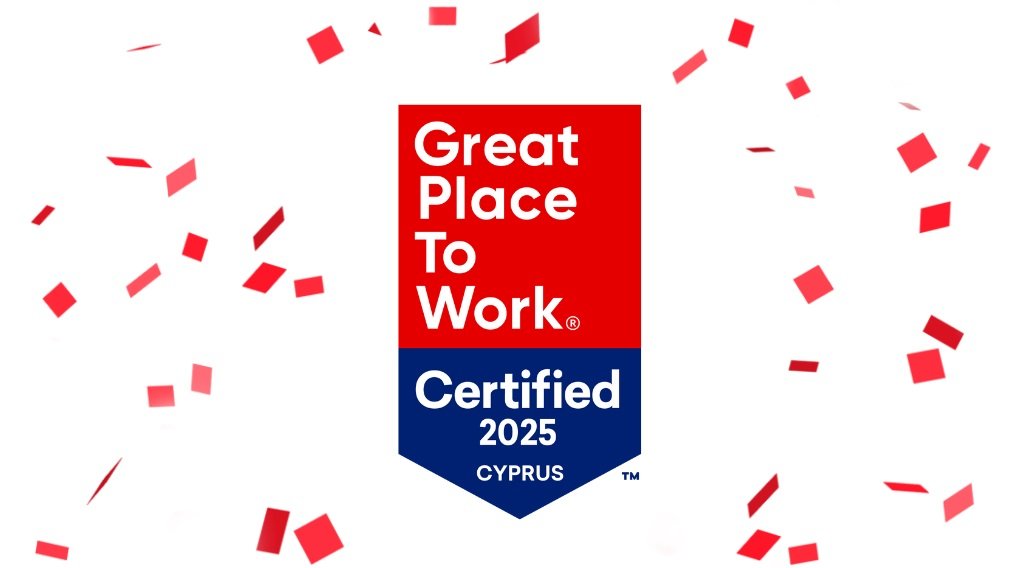
Certification badge from Great Place to Work for companies located in Cyprus.

What is a Workplace Recognition Program?

A workplace recognition program is a structured approach that organisations use to acknowledge and celebrate employees’ contributions and achievements. These programs go beyond financial rewards, fostering a culture of appreciation and respect where employees feel genuinely valued for their efforts. Recognition can take many forms—including verbal praise, written commendations, awards, public acknowledgement, or opportunities for growth and development.

When a company consistently recognizes both individual accomplishments and team successes, it strengthens morale, boosts employee engagement, and enhances retention. A well-designed recognition program not only motivates employees to perform at their best but also helps create a positive, supportive workplace culture where everyone feels appreciated and inspired to contribute to the organization’s success.

Will certifying the workplace increase the company’s recognition?

Yes, achieving workplace certification can significantly enhance a company’s visibility and reputation. Certification serves as public proof that an organisation is committed to building a positive, rewarding work environment.

This workplace recognition extends beyond internal culture, as certified workplaces frequently receive accolades, features in industry publications, attention on social media, and prominent listings on job platforms. Such positive exposure not only strengthens the company’s employer brand but also makes it more attractive to high-quality job candidates while improving credibility with clients and business partners.

Certification acts as an official seal of approval, signaling to potential employees that the organisation genuinely values its people and prioritises their well-being. In a competitive job market, this trusted reputation can be a decisive factor in attracting and retaining top talent.

What steps are needed to certify a company’s workplace in Cyprus?

The following steps are taken whenever a company wishes to certify its workplace:

1. Survey Your Employees

  • Conduct the Trust Index Survey, an employee feedback survey that measures employee experience across key workplace dimensions like trust, leadership, and company culture.
  • The survey consists of 60 statements and 5 standard demographics.
  • Employees respond anonymously, ensuring honest feedback.

2. Complete the Culture Brief

  • Submit details about your organisation, including size, industry, and workplace programs.
  • This helps provide context for survey results and employer branding.

For Companies with over 200 employees – submit the Culture Audit:

The Culture Audit is a detailed questionnaire that helps Great Place to Work evaluate a company’s workplace culture, leadership, and HR practices. It is primarily used for Best Workplaces rankings rather than just certification.

3. Data Analysis & Certification Decision

  • Great Place to Work analyses survey results and compares them against benchmark data through a SAS Platform, the Emprising.
  • If your company meets the Certification threshold (typically 65%+ positive responses), you become Great Place to Work-Certified.

4. Employer Branding & Recognition

Once certified, you receive:

5. Action Planning & Continuous Improvement

  • Receive survey insights and analytics to identify strengths and areas for improvement.
  • Use tools like GPTWs to analyse and accelerate the development of strategies for enhancing workplace culture.

This video of Great Place to Work UK, explains how the survey platform works on emprising.

What is the purpose of the Culture Audit?

The purpose of the Culture Audit is to:

  • Provides qualitative insights into how a company creates and sustains a great workplace culture.
  • Evaluate people practices, leadership philosophy, and organisational values beyond employee survey results.
  • Helps differentiate companies competing for a spot on the Best Workplaces lists (e.g., Europe’s Best Workplaces, and Cyprus Best Workplace for Women).

What Does It Include?

A written submission covering key aspects of workplace culture, such as:

  • Leadership & Values — How leadership inspires trust and aligns with company values.
  • Hiring & Onboarding — How new employees are recruited and integrated.
  • Employee Development — Training, career growth, and mentorship programs.
  • Recognition & Rewards — How employees are acknowledged and rewarded.
  • Well-being & Work-Life Balance — Policies supporting employee health and flexibility.
  • Diversity, Equity & Inclusion — Efforts to create a fair and inclusive workplace.
  • Certification Award — Once your company meets the certification standards, you will receive official recognition, usually valid for a specified period. Continuous improvement is essential to maintaining effective workplace practices.
  • Feedback and Improvement — After the assessment, companies receive detailed feedback and recommendations for enhancement. Use this feedback to refine your workplace strategies.

What is Workplace Engagement?

Workplace engagement describes the level of enthusiasm, dedication, and emotional commitment employees bring to their roles each day. It reflects how much individuals genuinely care about the company they work for and its goals—not just showing up physically, but being passionately invested and motivated to make a meaningful impact.

Truly engaged employees go above and beyond basic job requirements. A sense of purpose drives them, they take pride in their work, and are eager to contribute to organisational success. Human resources professionals understand that workplace engagement is about forging a strong connection between employees and their jobs—where people feel valued, supported, and aligned with the company’s values and mission.

This high level of engagement benefits both individuals and organisations. Engaged employees are proactive, collaborative, and consistently strive for excellence, helping to maximise overall business performance. They are also less likely to be absent or disengaged, as their personal sense of fulfilment drives stronger attendance and higher productivity.

How do we measure workplace engagement in Cyprus?

Measuring workplace engagement is very important for companies in Cyprus. It helps them understand how their employees feel and find ways to improve. A good way to measure employee engagement is by using well-made surveys.

The survey questions should focus on essential aspects of the employee experience. These include job satisfaction, relationships with managers and peers, shared company values, and chances for growth. By making questions specific to the Cypriot workplace, companies can learn more about what drives engagement.

Looking at the survey data helps companies see trends. They can find out where employees feel appreciated and where they need more support. This information allows companies to make better choices and create focused plans to build a more engaged and rewarding work environment.

At Great Place to Work® Cyprus, we measure workplace engagement through our employee feedback survey – the Trust Index:

The Trust Index Survey is the cornerstone of Great Place to Work’s research methodology. It is designed to assess employee experience and workplace culture through a data-driven approach.

Built on over 30 years of research, the survey gives organisations insights into trust, leadership effectiveness, workplace fairness, and employee engagement. It is the primary tool for Great Place to Work Certification and eligibility for Best Workplaces rankings worldwide.

What is the Trust Index Survey?

At its core, the Trust Index Survey measures the quality of the relationships between employees and their leaders, their work, and their colleagues. Research has shown that these relationships are the foundation of a high-performing and engaging workplace.

The structured survey gives organisations a clear picture of how employees perceive their work environment and whether they experience a culture of trust and inclusivity. The survey consists of 60 core statements that employees respond to on a five-point Likert scale, ranging from strongly disagree to agree strongly.

These statements are grouped into five key dimensions of trust that define a great workplace:

DimensionWhat It MeasuresExample Statement
CredibilityLeadership transparency, communication, and competence.Management is honest and ethical in its business practices.
RespectEmployee support, inclusion, and recognition.Management genuinely seeks and responds to suggestions and ideas.
FairnessEquity in decision-making, rewards, and policies.Promotions go to those who best deserve them.
PrideEmployees’ connection to their work and company mission.I feel proud to tell others I work here.
CamaraderieTeamwork, collaboration, and sense of belonging.People care about each other here.

In addition to these core statements, organisations may include:

  • Demographic questions to analyse variations in employee experience across different groups (e.g., job level, gender, tenure).
  • Open-ended questions to gather qualitative insights on company culture.

This video from Great Place To Work Nederland explains what the Trust Index Survey is and how it works.

What is the research behind the Trust Index Survey?

The Trust Index Survey is scientifically designed to measure employee sentiment accurately and reliably. It is based on decades of global research from millions of employees across industries, allowing organisations to compare their results with regional, sector, and Best Workplaces benchmarks.

Key Research Findings

  • High-trust workplaces outperform their competitors. Companies with strong Trust Index scores see higher innovation, financial performance, and employee engagement.
  • Trust is a key driver of employee retention. Employees in high-trust workplaces are three times more likely to stay with their company long-term.
  • Inclusivity matters. The for-all methodology, an extension of the Trust Index, ensures that workplace culture is equally experienced across different demographic groups. Organisations that excel in this area benefit from greater agility, innovation, and long-term success.

Using the Trust Index Survey, organisations gain a measure of workplace culture and a roadmap for building a more engaged, innovative, and high-performing workforce.

What is the Trust Index Survey process?

The Trust Index Survey is designed to be flexible and can be conducted in various formats to suit different workplaces.

1️. Survey Launch — Employees receive a confidential survey link (available in over 40 languages).
2️. Data Collection — Surveys remain open for 1-3 weeks, depending on company size and response rates.
3️. Analysis & Benchmarking — Results are compared against industry and Best Workplaces benchmarks.
4️. Certification & Insights — Companies meeting the 65%+ positive response threshold become Great Place to Work-Certified.

Customization & Benchmarking

While the 60 core statements remain standard across all organizations, companies can customize their survey by adding additional questions that address their specific workplace priorities. The benchmarking capability allows organizations to track progress over time and measure their workplace culture against leading employers in their region and industry.

Why does the Trust Index Survey matter?

The Trust Index Survey is more than just an employee engagement tool—it provides a strategic advantage for companies seeking to build strong, inclusive workplace cultures.

By leveraging the insights from the survey, organisations can:

✔ Identify areas for cultural improvement and implement targeted action plans.
Enhance employee trust and engagement, leading to better performance and retention.
Strengthen employer branding and attract top talent by showcasing a strong workplace culture.
Qualify for Great Place to Work Certification and gain recognition as a Best Workplace.

Ultimately, the Trust Index Survey is a powerful instrument that transforms workplace culture data into actionable insights, helping organizations build a thriving, high-trust workplace that benefits employees and business performance.

What are the different levels of workplace engagement?

Recognising the varying levels of workplace engagement is essential for designing strategies that truly motivate employees. Generally, employees fall into distinct categories along the engagement spectrum, each with unique characteristics and effects on organisational performance.

  • Highly Engaged Employees: These individuals are enthusiastic, committed, and consistently go above and beyond in their roles. They find genuine meaning in their work, feel valued by the organization, and are generous in their contributions to the team. Highly engaged employees often inspire others and drive positive results across the workplace.
  • Moderately Engaged Employees: Employees at this level are generally dependable and perform their duties competently, but may lack the deep passion or commitment seen in highly engaged colleagues. With the right support and opportunities for development, they have the potential to become more fully engaged.
  • Actively Disengaged Employees: At the other end of the spectrum, these individuals show low morale, minimal effort, and little enthusiasm for their work. Actively disengaged employees can undermine team morale and hinder overall productivity, sometimes even spreading negativity within the organization.

Understanding what drives engagement is vital for shifting employees toward higher engagement levels. Key drivers include meaningful work, clear opportunities for growth and career development, supportive leadership, and a positive, inclusive workplace culture. Organisations that prioritise these factors create a work environment that not only meets the diverse needs of their people but also fosters greater loyalty, motivation, and performance throughout their teams.

How does workplace engagement affect employee productivity?

Workplace engagement has a direct and powerful impact on employee productivity. When individuals feel genuinely valued, supported, and connected to their work, they are more likely to be highly motivated and committed. Engaged employees consistently show up with energy and enthusiasm, go above and beyond expectations, and strive for excellence in their roles.

The positive effects of engagement extend well beyond simply increasing the volume of work completed. Higher engagement leads to improved work quality, greater attention to detail, and a stronger sense of personal responsibility.

Employees who care about their work are more invested in achieving the best possible outcomes, resulting in fewer errors and a greater willingness to take ownership of tasks and projects. This positive mindset and culture of engagement spread throughout the organisation, driving higher levels of teamwork, collaboration, and overall performance.

Why should Cypriot companies improve workplace engagement?

Workplace engagement is not just a bonus—it’s a fundamental driver of business success. For companies in Cyprus, fostering strong employee engagement has become essential to remain competitive and achieve sustainable growth. A company’s performance is directly influenced by how motivated, satisfied, and enthusiastic its employees feel; when staff are valued and committed, the entire organisation—from frontline teams to senior leadership and clients—benefits.

Investing in workplace engagement yields:

  • Lower turnover and cost efficiency: Engaged employees are more likely to stay with the company, reducing recruitment expenses and minimizing the disruptions associated with frequent departures.
  • Greater productivity and performance: Motivated teams work more efficiently, deliver higher-quality results, and proactively contribute to organisational objectives.
  • Enhanced employer brand and ability to attract talent: When employees are engaged, they naturally become advocates—helping to build a positive company reputation and attract top-tier talent.
  • Healthier, more positive workplace culture: Prioritising engagement fosters a culture of recognition, professional growth, and well-being—key ingredients in building a truly outstanding workplace.
  • Distinct competitive advantage: In Cyprus’s evolving job market, companies that invest in engagement distinguish themselves, building resilience and encouraging innovation.

Ultimately, by making employee engagement a strategic priority, Cypriot organizations can strengthen their internal culture, improve performance, and secure a lasting edge in a rapidly changing economy.

What is Employee Engagement?

Employee engagement refers to the emotional connection and commitment that employees feel toward their work and organisation. It goes beyond basic job satisfaction—instead, it reflects a more profound sense of enthusiasm, motivation, and willingness to invest discretionary effort to help the company achieve its goals. As a key human resources metric, employee engagement signals not only alignment with organisational objectives but also a readiness to contribute above and beyond expectations.

Highly engaged employees have a strong sense of purpose and pride in their workplace. They care about the organisation’s success, consistently bring energy to their tasks, and actively promote a positive work environment. This high level of engagement drives superior performance, enhances productivity, and helps cultivate a vibrant, positive company culture.

What are employee engagement surveys?

Employee engagement surveys are invaluable tools. They collect information about employees’ feelings about their jobs, work environment, and the company itself. These surveys have specific questions that help understand employee feelings, check satisfaction, and find improvement areas.

There are different kinds of employee surveys:

  • Annual surveys: These give a complete picture of engagement at one time each year.
  • Pulse surveys: These are shorter and happen more often to see how engagement changes and catches problems quickly.

The data from these surveys helps companies make wise choices. They can improve workplace culture, boost employee morale, address issues, and foster a more engaged and productive work environment.

Is regular training essential for maintaining high employee engagement?

Yes, regular training is essential for keeping employees engaged. When companies offer development opportunities, it shows they care about employee growth. This helps employees reach their full potential.

Continuous improvement is essential for engagement. Employees who get regular training learn new skills and stay updated on industry changes. They feel more confident in what they do. This makes them feel valued and helps them stay interested in their work.

Also, when companies provide training that matches career goals, they care about employees’ development. This leads to a more fulfilling work experience. It encourages employees to see a future in the company.

What is the difference between engaged and disengaged employees?

Understanding the distinction between engaged and disengaged employees is crucial for creating a thriving workplace. While both types of employees contribute to the organisation, their attitudes, behaviours, and impact on the workplace differ significantly.

Engaged employees are enthusiastic, dedicated, and passionate about their work. They go the extra mile, demonstrating initiative, creativity, and a commitment to achieving organisational goals. Disengaged employees, on the other hand, display a lack of motivation, enthusiasm, and connection to their work and the company.

FactorEngaged EmployeeDisengaged Employee
AttitudePositive, enthusiastic, passionateNegative, apathetic, indifferent
MotivationHigh, self-driven, takes initiativeLow, requires constant supervision, avoids tasks
ProductivityHigh, consistently exceeds expectationsLow, meets only bare minimum requirements
CommunicationOpen, honest, proactiveClosed off, minimal communication
TeamworkCollaborative, supportive, team playerUncooperative, isolate themselves

What is Workplace Culture?

Workplace culture is the collective personality of an organisation. It is defined by the shared values, beliefs, attitudes, and behaviours that shape how employees interact, make decisions, and carry out their work. This culture influences every aspect of the work environment—including communication style, leadership approach, collaboration, and expectations for performance.

A positive workplace culture is built on foundations such as trust, respect, inclusion, and open communication. It is evident in the way employees treat each other, how they align with the company’s goals, and how they contribute to the organisation’s success. Culture acts as an unwritten guide, helping employees understand what is encouraged and valued within the organisation.

A strong, healthy workplace culture not only improves teamwork, engagement, and job satisfaction but also attracts top talent and supports long-term business success. Ultimately, workplace culture is a powerful driver of organisational performance and plays a crucial role in retaining employees and achieving strategic goals.

What defines a positive workplace culture in Cyprus?

In Cyprus, a positive workplace culture is deeply influenced by the country’s strong emphasis on family values and personal connections. Organisations that prioritise work-life balance, offer flexible working arrangements, and demonstrate genuine concern for employee well-being are highly regarded. This approach reflects the broader Cypriot culture, which values close relationships and mutual support.

A healthy workplace culture in Cyprus also mirrors the nation’s tradition of warmth and hospitality. Open and transparent communication is essential—employees should feel comfortable expressing their ideas, concerns, and aspirations without fear of judgment. Leaders play a crucial role by actively listening, showing empathy, and fostering a collaborative, supportive environment.

A positive workplace culture in Cyprus respects both the country’s traditional values and the evolving needs of a diverse workforce. By championing inclusivity, respect, and open dialogue, organisations can create a motivating and rewarding environment where employees feel valued, engaged, and empowered to excel.

Does a strong workplace culture reduce employee turnover?

Yes, a strong workplace culture can significantly reduce employee turnover. When an organisation fosters a positive culture—built on trust, respect, open communication, and support for employee well-being—employees are more likely to feel valued, engaged, and satisfied in their roles. This sense of belonging and purpose increases job satisfaction and loyalty, making employees less likely to seek opportunities elsewhere.

A healthy workplace culture also encourages personal and professional growth, recognises contributions, and aligns with employees’ values and needs. These elements create a supportive environment where people want to remain and contribute, leading to lower rates of voluntary resignations. In essence, organisations with strong cultures attract and retain top talent, minimise the costs and disruptions of frequent turnover, and build a more stable, motivated workforce.

What defines Workplace Diversity?

Workplace diversity refers to the presence of individuals from a wide range of backgrounds, identities, and perspectives within an organisation. This encompasses differences in gender, age, ethnicity, sexual orientation, religious beliefs, and political views, as well as varied life experiences and skill sets. A truly diverse workforce brings together a rich spectrum of ideas, talents, and viewpoints, fostering greater creativity, innovation, and problem-solving ability.

However, genuine workplace diversity is more than simply meeting quotas or fulfilling requirements—it’s about intentionally building an environment where everyone feels respected, valued, and empowered to contribute. Employees should feel free to express their unique strengths and perspectives without fear of bias or exclusion. To create this inclusive and appealing workplace, companies must go beyond surface-level initiatives.

This requires a strategic commitment to removing barriers in recruitment, promotion, and daily practices, ensuring equal access and opportunity for all. By embracing and nurturing diversity at every level, organisations not only attract top talent from a wide range of backgrounds but also lay the foundation for long-term success and a vibrant, engaging company culture.

What is an inclusive workplace culture?

An inclusive workplace culture is an environment where every employee—regardless of their background, identity, or circumstances—feels genuinely valued, respected, and empowered to contribute. Inclusion goes beyond simply having a diverse workforce; it’s about ensuring that individuals of all genders, ethnicities, ages, abilities, religions, sexual orientations, and life experiences can fully participate and thrive within the organisation.

Key characteristics of an inclusive workplace culture include:

  • Equity and Fairness: Policies and practices are designed to ensure everyone has equal access to opportunities, resources, and advancement without bias or favoritism.
  • Psychological Safety: Employees feel comfortable expressing ideas, voicing concerns, and sharing their authentic selves without fear of exclusion or discrimination.
  • Respect for Differences: Diverse perspectives and cultural traditions are celebrated and integrated into decision-making, teamwork, and everyday interactions.
  • Empowerment and Participation: All employees are encouraged to take part in shaping workplace practices, planning, and problem-solving—regardless of rank or background.
  • Active Support: Leadership and management take deliberate steps to address barriers, provide accommodations, and promote the well-being of all staff members.

Organizations committed to inclusion often provide ongoing diversity and sensitivity training, celebrate cultural events, ensure accessibility, and continuously assess their environment to address inequities or unintended biases. The result is a vibrant, innovative, and collaborative workplace where everyone feels a sense of belonging and is motivated to bring their best to work.

What are the differences between diversity and inclusion?

Diversity and inclusion (DEI) are closely related concepts, but they have distinct meanings and roles within an organisation:

  • Diversity is about the presence and representation of differences within a workplace or group. It refers to the mix of people from various backgrounds—including gender, ethnicity, age, sexual orientation, religion, physical abilities, and more. Diversity is fundamentally about “who is at the table” and can be measured quantitatively (such as workforce demographics).
  • Inclusion, on the other hand, is about how those differences are welcomed, respected, and integrated. It focuses on creating an environment where everyone feels valued, supported, and empowered to contribute fully—regardless of their background or identity. Inclusion is about the “how” of ensuring that all employees can participate, share their perspectives, and feel a sense of belonging. This is more qualitative, focusing on employee experiences, engagement, and culture.

Without inclusion, diversity can become superficial or even lead to feelings of isolation or tokenism. The actual benefits of diversity are realised only when inclusion is an integral part of the organisational culture.

Do Cypriot businesses implement diversity training programs?

Yes, diversity training programs are increasingly being implemented by Cypriot businesses. Both multinational and progressive local companies in Cyprus recognise the value of inclusive workplaces. They are investing in regular training sessions on topics such as unconscious bias, inclusive leadership, and cultural awareness.

These initiatives help foster open communication, reduce bias, and create more supportive, collaborative teams. While there is still progress to be made—particularly at the senior management level—these efforts are making Cypriot organisations more attractive to diverse talent and better equipped to succeed in a multicultural business environment.

What is a Workplace Environment?

A workplace environment includes the physical space, the people we interact with, and the organisation’s culture, all contributing to the overall work atmosphere. This means it’s about things we can see, like the office layout and facilities, as well as the rules for how we talk and interact, encompassing all aspects of work.

The workplace environment is very important. It affects how employees feel, how well they do their work, and how happy they are overall. A positive and supportive environment helps employees feel like they belong. It also encourages us to communicate openly, creating a positive environment that allows everyone to grow and develop in their roles.

What defines a healthy workplace environment in Cyprus?

A healthy workplace in Cyprus focuses on employees’ well-being and encourages a balance between work and personal life. This type of environment values respect and inclusion. Open communication and mutual respect are key to this culture. Workers’ mental and physical health is a genuine concern. Such an environment understands the importance of giving employees what they need to succeed at work and in their personal lives. 

This means providing good pay and benefits, chances for professional development, and access to health care and wellness programs. In addition, a healthy workplace in Cyprus welcomes diversity. It builds a space where everyone feels valued. All employees are respected and empowered to share their skills and talents.

What does Workplace Equity mean?

Workplace equity goes beyond simply treating everyone the same—it’s about creating a truly fair and supportive environment where all employees have the opportunity to succeed. This means recognising and actively addressing hidden barriers or systemic biases that may disadvantage specific individuals or groups.

Workplace equity ensures equal access to opportunities, fair compensation, and advancement, regardless of one’s background, identity, or circumstances. It calls for pay practices that are transparent and just, broad access to professional development and growth, and a culture that is free from discrimination or harassment.

How does workplace equity differ from workplace equality?

Workplace equity and workplace equality are related but distinct concepts, each shaping how fairness and opportunity are provided within organizations.

  • Workplace equality means giving every employee the same resources, opportunities, and support—regardless of individual differences. For example, this could mean everyone receives the same desk, the same holiday policy, or the same professional development budget. The focus is on equal treatment and standardisation across the workforce.
  • Workplace equity, on the other hand, recognises that employees may have different backgrounds, needs, or barriers. Equity means adjusting resources and opportunities so everyone has a fair chance to succeed—tailoring support to address individual circumstances. For instance, providing an accessible workstation for someone with a disability or adapting leave policies for diverse cultural practices. The focus is on fairness of outcomes, not just equal input.

While equality is about uniform access and removal of explicit bias, equity is proactive in removing hidden barriers, ensuring that differences in background or circumstance do not prevent success. Effective organisations strive to balance both—starting with equality, but prioritising equity to create a truly fair and inclusive workplace.

How is workplace equity measured in Cyprus?

Measuring workplace equity in Cyprus involves assessing organisational culture, policies, and practices to identify and address potential disparities.
 
This includes examining key factors such as:

Measurement AreaKey Considerations
Compensation & BenefitsAnalyse pays gaps based on gender, ethnicity, and other protected characteristics.
Recruitment and PromotionEvaluate hiring and promotion processes for bias and ensure equal opportunities for all.
Access to Development OpportunitiesAssess the availability and accessibility of training programs for all employee groups.

By regularly measuring and analysing these factors, organisations in Cyprus can identify areas where inequities exist and implement targeted interventions to promote a fairer and more equitable work environment.

What is a workplace training program?

A workplace training program in Cyprus is a structured initiative designed to develop employeesskills and knowledge, supporting both individual advancement and organisational growth. These programs equip staff with practical tools and up-to-date expertise needed to excel in their current roles and prepare for future career opportunities.

Investing in employee training is essential for Cypriot companies that wish to remain competitive and agile. By providing ongoing professional development, organisations demonstrate a genuine commitment to their people’s growth and foster a culture of continuous learning and improvement.

This not only enhances job performance and satisfaction but also helps businesses adapt to changing market demands and achieve long-term success.

How does a workplace training program benefit employees?

Workplace training programs provide many benefits for employees. These programs help them learn the skills and knowledge they need to succeed in their jobs.

Here are some key benefits:

  • Better Job Performance: Training programs help employees learn the latest industry knowledge and best methods, allowing them to do their jobs more quickly and effectively.
  • Career Growth Opportunities: Employees who learn new skills and gain more knowledge improve their chances for promotions and leadership positions.
  • Higher Earning Potential: Employees who gain valuable skills and experience from training can earn more money and become more competitive in the job market.

What is workplace well-being?

Workplace well-being encompasses the physical, mental, and emotional health of employees, focusing on creating an environment where individuals feel genuinely supported and valued. It’s about enabling people to thrive—both professionally and personally—by promoting a healthy work-life balance and fostering a culture of care and respect. Human Resources plays a central role in nurturing well-being by cultivating a positive organisational culture, addressing employee concerns, and offering resources that support overall health and job satisfaction.

When organizations prioritize employee well-being, they benefit from higher morale, increased productivity, and lower turnover rates. Clear communication, empathy, and understanding among colleagues further strengthen workplace relationships and reduce conflict.

What does workplace flexibility mean?

Workplace flexibility refers to the ability for employees and employers to adjust when, where, and how work gets done to accommodate individual needs and changing circumstances better, while still meeting organisational goals.

This flexibility can take many forms, such as:

  • Flexible work hours: Allowing employees to start and finish work at times that suit their personal commitments, rather than adhering to a rigid 9-to-5 schedule.
  • Remote or hybrid work: Offering the option to work from home, or combine on-site and remote work according to what suits the employee and the role.
  • Compressed workweeks or part-time schedules: Structuring hours so that employees can work fewer days for longer shifts, or opt for alternative part-time arrangements.
  • Job sharing: Two or more people share responsibilities and hours for the same role.
  • Personalized leave policies: Allowing greater choice over when to take personal, family, or wellness leave.

Workplace flexibility recognizes that employees have diverse responsibilities, lifestyles, and working preferences. By offering adaptable work arrangements, organizations can help boost employee satisfaction, engagement, and productivity—while also attracting and retaining top talent. It’s an important driver of well-being and resilience, particularly in today’s rapidly changing work environment.

How Should You Proceed?

Building a certified workplace starts with prioritising employee satisfaction and well-being. Conducting employee surveys is a powerful way to gather insights, boost engagement, and strengthen your company culture. 

Now is the time to listen, act, and create a supportive work environment where employees thrive. Start by fostering open communication, recognising achievements, offering growth opportunities, and promoting work-life balance. Regularly assess employee feedback and implement meaningful changes to enhance workplace harmony and productivity.

Don’t wait—take action today and pave the way for a workplace that truly values its people!

Turn Your Workplace into a Great Place to Work!

Employees thrive in great company cultures—let’s build yours! Whether you’re aiming for higher engagement, better retention, or Great Place to Work certification, we’re here to help. Fill out the form and let’s talk!
Name(Required)
Email(Required)
Please let us know what's on your mind. Have a question for us? Ask away.

Episode Twelve wtih Christianna Diogenous, Chief Executive Officer at Unicars

Ready to get Certified?

Tell us a little about your company and someone from our team will be in touch soon.

Episode Eleven with Melanie Michaelidou, Chief People Officer at PAPAELLINAS Group

Ready to get Certified?

Tell us a little about your company and someone from our team will be in touch soon.

Episode Ten with Stavri Morti, co-CEO at XM

Ready to get Certified?

Tell us a little about your company and someone from our team will be in touch soon.

Episode Nine with Mario Hajiloizi, Public Relations Manager EMEA at Amdocs

Ready to get Certified?

Tell us a little about your company and someone from our team will be in touch soon.

Episode Eight with Christoforos Hadjikyprianou, CEO & President Council of European University Cyprus – Member of Galileo Global Education Executive Committee

Ready to get Certified?

Tell us a little about your company and someone from our team will be in touch soon.

Onboarding Gen Z: How to Connect with the Most Connected Generation

Integrate relationship-building, upskilling, and flexibility into your welcome when bringing on new Gen Z employees.

How warm is your workplace welcome?

Great Place To Work research has identified “hiring & welcoming” as a key leadership behavior critical to a successful employee retention strategy. While onboarding is not the only factor, it can set the tone for an employee’s entire tenure with your organization.

This is especially true for Gen Z, a generation that’s both anxious from uncertainty and hopeful for the future.

Employers hiring those born between 1997 and 2012 need to be aware of the unique experiences and expectations of Gen Z in the workplace — and how those factors impact their onboarding experience.

3 ways Gen Z’s upbringing influences the workplace

“Every generation has a unique backdrop of society that it grows up in,” says Dr. Meghan Grace, co-lead of the Institute of Generational Research and Education and a senior consultant with Plaid LLC, an organizational development firm that focuses on learning experiences.

In Gen Z’s case, she says, three factors stand out as defining characteristics: technological advancement, global connection, and high-stress uncertainty.

1. Gen Z has experienced rapid technological change

“When we look at what was going on with Gen Z in that time period, it’s rapid technological innovation, faster than any other period in time,” says Grace. “That is the only real way they’ve known how to connect with the world.”

As such, Gen Z is not just extremely skilled at learning new technology — they expect it.

For example, Gen Z is the generation most likely to have used AI in the workplace. But at the same time, they’re already more worried than other generations about being replaced by someone with better AI skills, according to a February 2024 study by D2L,

Dr. Grace says Gen Z isn’t necessarily afraid of tools like AI, but they are very aware of how new tech will change the way they work — and they want to learn it.

“It’s ‘Can I be nimble? Can I learn skills that are transferable to a variety of different spaces and different industries,’” she says. “It’s not just, ‘I’m gonna be a doctor — I might need to be a doctor who can also manage a TikTok account that educates people on health issues.’”

Gen Z may be incredibly tech-savvy, but they’re also worried about what they don’t yet know. As such, they’re seeking employers that will give them those opportunities for ongoing learning and career development.

2. Gen Z has developed high empathy

While all generations face changing technology, Gen Z’s experience of it has broadened their worldview from a very young, formative age.

It used to be that high school represented your entire social circle, explains Dr. Grace. But with social media, Gen Z has broadened their networks in an unprecedented way.

For example, maybe someone had a niche interest and were the only kid in their school to care about that. But online, they could find a community with peers from different backgrounds.

They’ve also watched world events — from wildfires in Australia to the conflict in Gaza — unfold in real time, narrated through social media by young people just like them.

“Something that’s unique is that they can understand the human experience around the globe much more than previous generations can and feel that empathy,” says Dr. Grace. “They are more aware of what’s going on in the world geopolitically than previous generations.”

As such, Gen Z is seeking workplaces that align with their expanded worldviews and offer them the chance to make a difference.

“Gen Z more aware of what’s going on in the world geopolitically than previous generations.”

“They’re hopeful for the opportunity to take on jobs that have meaning, that create impact for other people,” says Dr. Grace. “Gen Z is channeling their activism in their personal lives and want to work for companies with social alignment.”

3. Gen Z has faced global uncertainty

Older Gen Zs were early adolescents when the 2008 U.S. recession hit — meaning at the time when they were dreaming about what they wanted to be when they grew up, they were also overhearing adults worry about layoffs and unemployment.

Then, while the oldest Gen Zs were in college or graduating into the working world, the COVID-19 pandemic hit. Classes and office jobs shifted online, forcing them to miss out on important social development. Many Gen Zs worked frontline jobs in retail or hospitality, where they faced furloughs and safety concerns.

Dr. Grace says this backdrop has left Gen Z with a lot of anxiety — but also a willingness to be nimble out of necessity.

Take our hypothetical medical student, who sees science as a stable career path, but is open to biomedicine and integrating AI or new technology into their work. Dr. Grace says they may then also broadcast their journey through medical school on social media for monetization.

“They are truly financially concerned, stability concerned,” says Dr. Grace. “And so, they’re utilizing everything in their toolbox to make sure they’re not going to be hit with financial uncertainty. They have the ultimate ‘Let’s prepare for the next rainy day’ mindset.”  

While Gen Z has a reputation for job-hopping, it’s not because of short attention spans or disinterest. Rather, they’re switching jobs in search of financial security — higher pay, better benefits, and better growth opportunities.

“They have the ultimate ‘Let’s prepare for the next rainy day’ mindset.”

Employers that offer perks such as health insurance and retirement savings plans will appeal to this generation’s strong desire for stability.

5 tips for successfully onboarding Gen Z employees

Given Gen Z’s unique worldview and experiences, it may not come as a surprise that some of the things Gen Z wants most in an employer are:

  • Relationship-building: The chance to connect with their colleagues as friends and mentors.
  • Skills development: The opportunity to learn and practice new skills that will help them in their career goals.
  • Workplace flexibility: The ability to shape their work life in a way that complements their personal life.

Here’s how to integrate these elements into your onboarding process:

1. Set up a buddy or mentor system

For Gen Z, the nuances of workplace interaction, such as communicating with multiple generations and working alongside new perspectives different from their peer group, was learned from behind a screen.

“I think that’s something they’re very cognizant of, that that’s a gap that they have,” says Dr. Grace.

She recommends pairing up Gen Z employees with a buddy who they meet with regularly. This could be just a friendly face who can answer questions they may be too scared to ask of their direct manager, or it could be a more formalized mentorship with someone who has similar career goals.

2. Offer a thorough training plan

Gen Zs are keen to learn. They are OK with acknowledging what they don’t know and will appreciate getting to try new things hands-on.

“They are sponges for skills,” says Dr. Grace. “They are seeking the ability to stack more things into their toolbox because they don’t know what skill they’re going to need down the road.”

Rather than relying solely on an all-in-one training session, consider bite-sized training and refresher opportunities. This kind of training aligns with the fast-based content delivery that Gen Z has become accustomed to online.

For example, if an employee is working on a new task for the first time, you could set up a 10-minute chat over coffee to walk them through it or send them a Loom video that guides them through it step-by-step.

3. Show what success looks like

Gen Z has grown up with a lot of uncertainty — which is why they want clarity in a new job. That includes knowing what’s expected of them today in the role, as well as what their path to success looks like.

When do reviews happen? Is there a checklist they can follow to achieve a raise or promotion? Setting transparent milestones early on will help to ease Gen Z’s concerns about stability and success.

“I can’t stress enough how much transparent leadership matters to this generation, and they want transparent leadership pre-hiring through onboarding,” says Dr. Grace.

4. Promote purpose

Great Place To Work research has shown that purpose in the workplace is one of the key factors that determines whether an employee will stay or quit.

Employers can win over and retain Gen Z employees with a meaningful company mission. In fact, Gen Zs are three times more likely to remain with an organization if they perceive their work to have “special meaning,” underscoring the significance of genuine commitment over mere lip service.

“Something that should actually start in hiring is talking about how their role and the work that they will do will have a bigger impact,” says Dr. Grace. “Why do we exist and why does this specific role play a part in what we achieve?”

Gen Zs are three times more likely to remain with an organization if they perceive their work to have “special meaning.”

5. Embrace flexibility

Great Place To Work’s research on employee retention strategies has found that employees are three times more likely to stay with an employer when they can choose between remote, hybrid, or onsite work.

While all generations are seeking flexibility these days, “this is a generation that has said it at a much earlier age,” says Dr. Grace. “They’re identifying that work is not their entire identity like previous generations have.”

Good onboarding is a business imperative

Proper onboarding isn’t just a nice to have — it’s essential for an engaged workforce.

“New hires are some of the most expensive to replace because you’re oftentimes replacing many of them multiple times a year,” says Dr. Grace. “The approach to onboarding needs to be incredibly holistic because when employees have barriers — even slight barriers or slight frustrations — those are the things they remember.”

Access our report, Unlocking the Secrets of Employee Retention, to find out how you can predict and prevent turnover in your workplace, including a special section on keeping Gen Z happy at your company.


Learn how you can use our employee engagement survey and data analysis platform to extract data on your employees workplace perception.

Webinar Registration

This field is for validation purposes and should be left unchanged.
Name(Required)
Country

Claire Hastwell

Claire Hastwell

As the Content Program Manager at Great Place To Work, Claire helps decode the psychology behind high-trust workplaces using Great Place To Work’s extensive data repository on employee experience. Claire has co-authored noted reports such as “Women in the Workplace” and “The Power of Purpose at Work,” and contributed to Fortune with her profiles of the Best Workplaces™. Her latest report on employee retention strategies draws on the experience of 1.3 million employees to give leaders strategic guidance on retaining their top people. 

Episode Seven with Christos Hadjipanayis, Managing Director of Varnavas Hadjipanayis Ltd

Ready to get Certified?

Tell us a little about your company and someone from our team will be in touch soon.

Episode Six with David Tabone, CEO of Tryfon Tseriotis Ltd

Ready to get Certified?

Tell us a little about your company and someone from our team will be in touch soon.

3 Diversity and Inclusion Strategies That Create Meaningful Change

3 Diversity and Inclusion Strategies That Create Meaningful Change

Accenture’s North America Inclusion & Diversity lead shares practical tips for organizations looking to widen their talent pools.

Organizations have three levers they can pull to find the talented and diverse workforce they need.

Companies can widen their talent searches and bring more candidates into their pipeline. They can use training and development to create the specialized talent they need. They can also nurture talent within their organization, offering internal candidates the opportunity to upskill and progress to new roles.

Yolanda Friend, managing director and North America Inclusion & Diversity lead at Accenture, shared how Accenture defines and promotes belonging at our 2022 For All™ Summit. She offered ways every organization can build a better talent pipeline to improve diversity and belonging at any workplace.

1. Increase the scope of your talent search

 To widen the talent pool at your workplace, diversify your pipeline.

“When we began focusing our inclusion and diversity efforts on closing talent gaps, we knew the answer lay in widening our horizons in how we sought out and retained our talent pool,” said Friend.

In 2016, Accenture became the first professional services firm to voluntarily publish its comprehensive workforce demographics, including by gender, ethnicity, persons with disabilities, and veterans in the U.S. — and since then, has added LGBTQ data.

Assembling an inclusive slate of candidates before interviews is one step towards eliminating bias in the search for talent.

“We’ve also removed bachelor’s degree requirements from about half of our entry-level roles in the United States,” Friend says. “That’s given us access to a much broader and more diverse talent pool.”

Representation matters during the recruiting process as well.

“It’s important to have diversity on your hiring team,” Friend said. “People want to see themselves reflected in our organization. When a job applicant doesn’t see diversity represented in the hiring process, it raises doubts about the commitment of the organization to create an open and welcoming environment.”

To mitigate systemic perception and process issues, Accenture ensures interview panels are diverse and balanced and that hiring power does not rest with a single individual.

“We use multiple interviewers,” shared Friend. “It has to be more than one person making the final call.”

[Hear from more inspiring leaders at our next For All Summit]

 2. Create the talent you need

Access to continuous learning and professional development opportunities are an important way organizations can upskill current talent at the company and unlock the full potential of their people.

Organizations can also help develop talent with career mapping, internal job mobility, and tools to help match internal candidates to development opportunities.

If an employee isn’t finding success in their role, Friend recommends looking at three factors:

  • Are they in the right role?
  • Do they have the necessary skills?
  • Do they have the right sponsor?

“If people have gaps in their performance — clearly one of those three areas is not working, and organizations should help their people discover their best opportunities and expand their skill sets,” she said.

At Accenture, mentorship and sponsorship play a crucial role in the career progressions of internal candidates into future leaders. “We expect our leaders to sponsor and mentor our people,” said Friend.

3. Unlock the full potential of the talent you have.

 A commitment to diversity and inclusion also means a company culture that cares about its people.

“We may choose the talent who join our company,” shared Friend. “But it’s critical to recognize that it’s our people who decide every single day whether to stay.”

Accenture provides its people access to tools and programs like Thrive Global, a behavior-change platform offering science-based solutions to lower stress and enhance well-being and productivity.

Great Place To Work® research shows that companies who invest in their employees are rewarded with higher productivity, performance, and profits.

“Small behavior changes can really move the needle and have a big outcome over time,” Friend says.

Measuring results

To see the full benefits of a diversity and inclusion strategy, leaders must be accountable for their commitments. Outcomes must be measured and tied to business goals.

“At Accenture, we approach inclusion and diversity with the same discipline and rigor as any other business priority,” said Friend. “We set goals, share them publicly, collect data to continuously improve and hold our leaders accountable. We also expect our people to own the equality agenda — to make it part of their jobs — every decision, every day — and to speak up and to act. Everyone from the top of our board to the new joiner is responsible for a work environment where our people can be the same person both inside and outside of work.”

Subscribe

Learn how to create an award-winning company culture. Subscribe to the Great Place To Work company culture newsletter and join 100,000+ other leaders learning how to create a great workplace.


Ted Kitterman

Ted Kitterman is a content manager for Great Place to Work®. Ted has experience covering the workplace, business communications, public relations, internal communications, work culture, employee well-being, brand purpose and more. His work shines a light on the unparalleled data and insights offered by Great Place to Work’s decades of research, helping the company share its vision of a great place to work For All™.