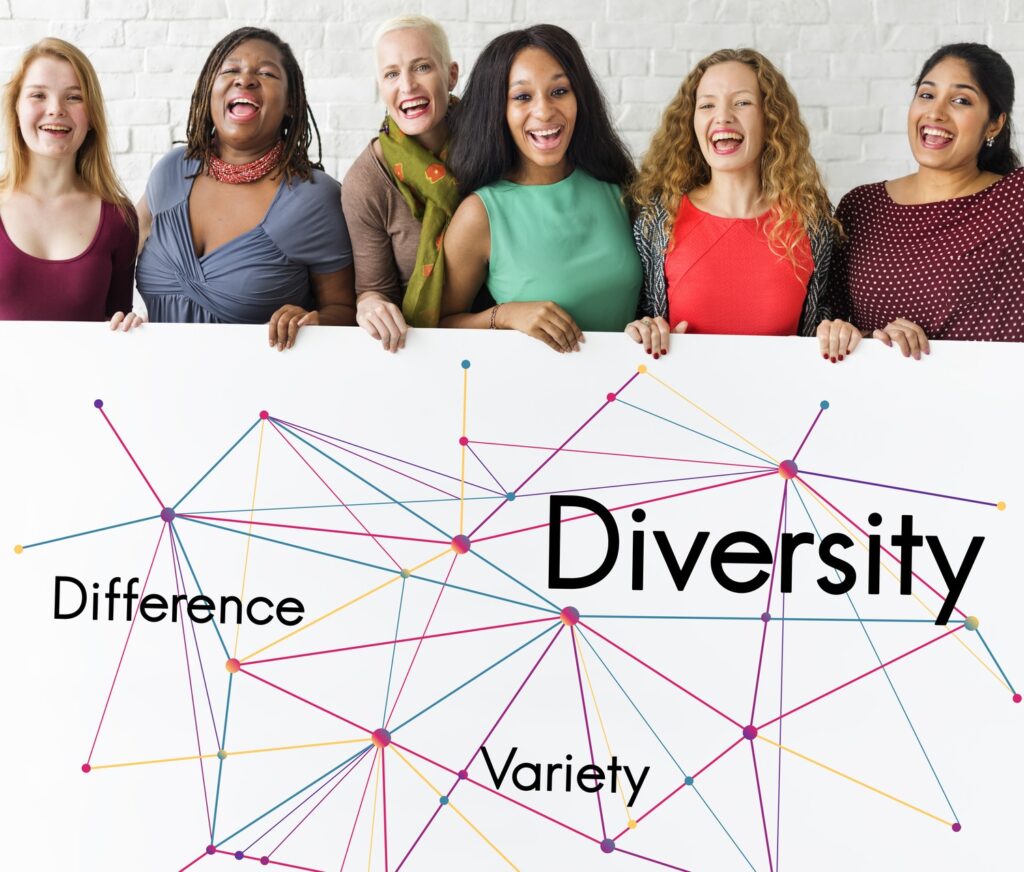
Cypriot companies can no longer treat workplace diversity as an optional extra—it’s essential for attracting talent, fostering fresh ideas, and staying competitive in a changing market.
When organisations here make a real push for diversity, equity, and inclusion (DEI), they build stronger trust, higher engagement, and real gains across the board. This blog unpacks actionable steps to make DEI work for your business.
What does managing diversity in the workplace mean?
Managing diversity in the workplace means creating a culture where people with different backgrounds, identities, and life experiences can contribute, grow, and be treated fairly in all aspects of organisational life. It goes beyond meeting legal requirements and focuses on everyday practices—hiring, promotion, collaboration, leadership behaviours—that ensure everyone feels respected, heard, and able to perform at their best.
In Cyprus, diversity can include nationality, ethnicity, gender, age, religion, language, disability, and different professional or educational pathways. Effective diversity management recognises this complexity and puts in place clear policies, inclusive leadership, and people practices that turn difference into a strength rather than a barrier.
Why is managing workplace diversity important for organizations?
Managing workplace diversity is important because it directly affects how well an organisation performs, how engaged its people are, and how sustainable its growth can be. When employees from diverse backgrounds feel included and treated fairly, they tend to be more committed, productive, and willing to stay, thereby reducing turnover and preserving organisational knowledge.
From a business perspective, diverse teams bring a wider range of ideas and experiences, leading to better problem-solving, greater innovation, and stronger decision-making. Organisations that effectively manage diversity are also better at understanding varied customer needs, improving their reputation, and are more likely to outperform competitors financially.
What are the benefits of managing diversity in the workplace?
Managing diversity in the workplace brings both people and business benefits for organisations.
Key people benefits
- Higher employee engagement and satisfaction, because people feel respected, included, and able to be themselves at work.
- Stronger retention and lower turnover, as employees are more likely to stay with organisations where they feel they belong.
- Better team relationships and collaboration, with more mutual understanding across different backgrounds.
Key business benefits
- More creativity and innovation, as diverse perspectives lead to new ideas, products, and solutions.
- Better problem-solving and decision-making, because mixed teams challenge groupthink and consider more options.
- Stronger performance and profitability, with diverse and inclusive organisations more likely to outperform competitors financially.
Managed well, diversity becomes a practical advantage—lifting engagement, sharpening decisions, and driving stronger, more sustainable business results.
How does diversity impact employee engagement and productivity?
Inclusive, diverse workplaces in Cyprus create higher trust, psychological safety, and a stronger sense of belonging, all of which are core drivers of engagement and extra discretionary effort. When people feel they are treated fairly and can show up as themselves at work, they are more likely to share ideas, collaborate across teams, and put in an extra effort for customers and colleagues.
Evidence from engagement and performance research shows that listening to employees and acting on their feedback is linked to higher motivation, lower absenteeism, and better overall results. Diverse, well-managed teams tend to outperform more homogeneous ones because they question assumptions, reduce groupthink, and approach problems from multiple angles, which leads to more innovative and effective solutions.
What diversity challenges do employers face in Cyprus?
Cypriot employers face several recurring diversity challenges:
- Treating diversity as a side HR topic rather than a core business priority means DEI is not fully integrated into strategy, leadership, or day‑to‑day decision‑making.
- Limited awareness of unconscious bias and persistent traditional hierarchies can restrict fair access to opportunities for women, international employees, and people with disabilities.
- Lack of robust data and monitoring systems makes it challenging to track representation, promotion patterns, and equality of opportunity across different employee groups.
- Practical integration issues, such as managing language and cultural differences, onboarding international hires effectively, and ensuring policies and communication are inclusive for everyone.
- Subtle exclusion and stereotyping in everyday interactions may not break any formal rules, but they can gradually erode trust, collaboration, and employees’ sense of belonging.
These challenges underline that many Cypriot employers are still at the beginning of their diversity journey. Addressing them deliberately is essential for building workplaces where all employees can contribute fully and help organisations thrive in a more competitive, multicultural market.
How can companies effectively manage and promote diversity in Cyprus?
At Great Place to Work® Cyprus, we help organisations build diverse, equitable, and inclusive workplaces through our proven Trust Index™ surveys and Emprising™ platform—trusted tools that measure how every employee group experiences fairness, respect, and belonging.
Here’s how Cypriot companies can succeed with our methodology:
- Set a clear DEI strategy linked to business goals, then use our Trust Index™ to benchmark employee experience by gender, age, nationality, disability, and role—revealing gaps and strengths in real time.
- Track key diversity indicators alongside confidential survey results to spot where inclusion is thriving or falling short, with actionable benchmarks against Cyprus industry leaders.
- Turn insights into impact by creating leader-accountable action plans—whether improving communication, updating policies, or offering targeted development for underrepresented teams.
- Invest in ongoing training for managers and teams on inclusive leadership, unconscious bias, and cross‑cultural collaboration, tailored to the Cypriot market and its growing multicultural workforce.
- Earn Great Place to Work® Certification to showcase your commitment publicly, attracting top multicultural talent, boosting retention, and positioning your organisation among Cyprus’s Workplaces™ for diversity and inclusion.
At Great Place to Work® Cyprus, companies do not have to guess what works—they can rely on a proven, people-first methodology to turn diversity ambitions into everyday reality.
By measuring what employees truly experience and translating those insights into targeted action and recognition, organisations can build workplaces where diversity, equity, and inclusion are not just paper values but a lived advantage for everyone.
Which DEI practices deliver the best results in Cyprus?
The DEI practices that deliver the best results in Cyprus are those that are leadership‑backed, data‑driven, and visible in the everyday employee experience.
Most effective practices include:
- Using confidential DEI and culture surveys (such as the Great Place to Work Trust Index) to capture how different groups experience fairness, respect, and belonging, then segmenting results by gender, age, nationality, disability, and role.
- Setting clear DEI goals tied to business outcomes and tracking progress with concrete metrics, rather than relying on informal impressions.
- Implementing inclusive policies and bias‑aware processes for hiring, pay, promotion, and performance, supported by regular training on unconscious bias and inclusive leadership.
- Participating in initiatives such as Great Place to Work Certification, using benchmarks against Cyprus’ Best Workplaces to refine strategy and publicly demonstrating a real commitment to diversity, equity, and inclusion.
When Cypriot companies combine these practices, DEI stops being a checklist and becomes part of how the organisation actually works day to day. In turn, diversity and inclusion lead to higher trust, stronger engagement, and better results for both employees and the business.
How do employee surveys and analytics improve DEI strategy?
Employee surveys and people analytics help Cypriot companies turn DEI from good intentions into targeted, measurable action. Well-designed, confidential surveys reveal how different employee groups actually experience fairness, respect, belonging, and growth opportunities, rather than relying on assumptions or informal feedback.
By segmenting results by factors such as gender, age, nationality, disability, department, and location, leaders can pinpoint where inclusion is strong and where specific groups are being left behind. This makes it easier to prioritise interventions, from improving manager behaviours to adjusting policies and processes.
Over time, organisations that regularly run engagement and DEI surveys can track progress, benchmark against leading workplaces in Cyprus, and continuously refine their DEI strategy based on real data and trends, not guesswork.
Which Cypriot organizations have successfully embraced workplace diversity?
Several Cypriot organisations across sectors have begun embedding diversity and inclusion into their hiring, development, and support of their people. Many large employers in professional services, finance, retail, education, and technology now highlight gender-balance initiatives, pay‑equity reviews, and flexible working as core pillars of their DEI strategies, rather than optional add‑ons.
Recognition programmes such as Cyprus’ Best Workplaces™ lists showcase companies that treat diversity as a source of innovation, trust, and growth, not just a legal obligation. Organisations that reach this level typically combine visible leadership commitment, robust employee surveys to measure inclusion, and everyday inclusive practices that employees recognise and feel in their day‑to‑day work.
Final Thoughts
For Cypriot companies, managing diversity is part of building a high‑trust workplace where people do their best work and choose to stay. When leaders back up their words with inclusive policies and data‑driven decisions, DEI stops being a side initiative and becomes central to how the business grows.
Great Place to Work® Cyprus supports this shift by giving organisations the tools to listen to employees, measure inclusion, and act on what they learn, turning everyday experiences of fairness and belonging into a real competitive advantage for people, customers, and the wider Cypriot society.
Latest Articles

The 5-Step Guide to Measuring Cultural Alignment: How Top Companies Ensure They’re Living Their Values
High-Trust Leadership Unlocks Growth at Small- and Medium-Sized Businesses
Journey To Great Benchmarks: Measure Progress Against Your Peers

5 Top Priorities for HR in 2026

The Importance of Cultural Diversity for Cypriot Businesses